
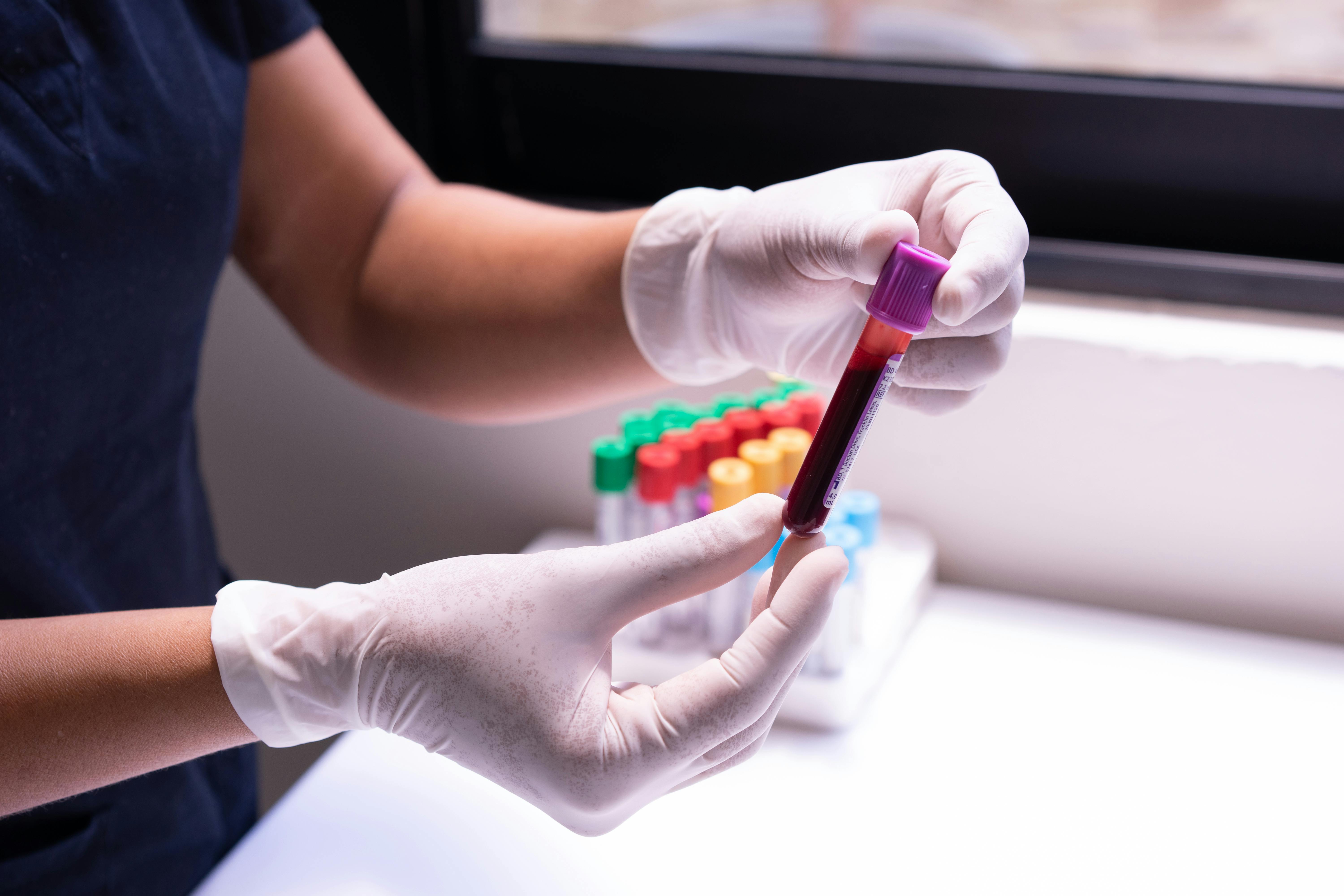
It is one of the most common patterns in general practice. A patient comes in with a concern, the GP recommends a blood test to get a clearer picture, and the patient either delays booking the pathology appointment, cancels it once, then twice, and eventually stops thinking about it altogether – at least consciously. Meanwhile, the underlying question about their health goes unanswered for months or years.
Blood test avoidance is more widespread than most people realise. Research consistently shows that fear of needles affects roughly one in four adults, while fear of finding out – the very human tendency to avoid knowledge that might be distressing – drives a significant proportion of people to skip health checks entirely. In Australia, around four in ten people have reported declining to get tested for health conditions because they were afraid of what the results might show.
This article looks honestly at why blood test avoidance happens, what the real-world consequences are, and what a general health check in Brisbane actually involves – so that the decision to skip one is at least an informed one.
The Reasons People Avoid Blood Tests
Understanding the reasons behind avoidance matters because different barriers require different responses. The most common ones fall into a handful of clear categories.
Fear of Needles
Needle phobia – known clinically as trypanophobia – is one of the most prevalent specific phobias in the general adult population. It affects roughly one in four adults to some degree, ranging from mild discomfort to a level of anxiety that causes people to avoid medical settings altogether. The physiological response for some people involves a vasovagal reaction – a sudden drop in blood pressure that can cause light-headedness or fainting – which reinforces avoidance by creating a memory of an alarming physical experience.
It is worth naming this directly because many people who experience needle fear feel embarrassed about it and do not mention it to their GP. Telling your doctor is actually the most useful thing you can do. There are practical strategies that make the process more manageable – including lying down during the draw, applying a topical numbing cream beforehand, staying well-hydrated, and distraction techniques. A good GP or pathology collector will not be dismissive about needle anxiety; they will work around it.
Fear of Finding Out
This is perhaps the more psychologically complex form of avoidance. The “fear of finding out” (sometimes abbreviated as FOFO in clinical literature) describes the situation where a person actively avoids testing not because of the procedure itself, but because they do not want to receive bad news.
The logic feels understandable on the surface: if I don’t find out, I don’t have to deal with it. But this is where avoidance becomes genuinely dangerous. Most of the conditions that blood tests are designed to detect – cardiovascular disease, type 2 diabetes, early kidney dysfunction, thyroid disorders, elevated cholesterol – develop slowly and silently. The absence of symptoms is not the same as the absence of a problem. By the time these conditions produce noticeable symptoms, they have often been progressing for years, making management harder and outcomes less straightforward.
Knowing is not the same as being in trouble. A blood test result that shows elevated cholesterol or borderline blood glucose is not a catastrophe – it is an opportunity to take action while the window for effective lifestyle and medical management is still wide open.
Assuming Everything Is Fine
A related but slightly different pattern is the tendency to use the absence of symptoms as evidence of good health. “I feel fine, so I must be fine” is a reassuring thought, but it does not hold up against the clinical reality of how many serious conditions behave.
Hypertension affects a large portion of the adult population and almost never produces noticeable symptoms. High cholesterol is the same. Type 2 diabetes can develop over years before it causes any obvious signs. Conditions detected through routine blood tests are called silent precisely because they do not announce themselves until they have caused damage. Feeling well is a good sign – it is not a substitute for knowing.
Cost and Access Concerns
For some Australians, practical barriers around cost and access contribute to avoidance. Concerns about GP fees and the time required to book appointments, travel to a pathology centre, and then wait for results can make the whole process feel like more effort than it is worth.
Brisbane City Doctors addresses the access side of this directly. The clinic has on-site pathology collection through Sullivan Nicolaides Pathology, located on the ground floor of Manor Apartments at 289 Queen Street. Blood tests ordered during a GP appointment can be collected at the same location on the same day – removing the need to travel to a separate pathology facility and making the process considerably more time-efficient for patients in the CBD.
Time and Competing Priorities
For many people, particularly those working full-time in demanding roles, preventive health care is simply not a priority until something forces it to be. The combination of long working hours, busy family commitments, and the effort required to book, attend, and follow up on medical appointments means that routine health checks are perpetually deferred.
Brisbane City Doctors is open Monday to Friday from 6:30am, and Saturday mornings, which makes it accessible for early morning appointments before work – one of the more practical ways to fit a health check into a busy schedule without taking time off.
What Do Blood Tests Actually Check For in a General Health Assessment?
Part of the reluctance around blood tests comes from vagueness – not knowing what is being tested or why. A routine general health check typically includes a panel of blood tests tailored to the patient’s age, symptoms, family history, and risk factors. Common components include:
Full Blood Count (FBC)
A full blood count assesses red blood cells, white blood cells, and platelets. It is used to detect conditions including anaemia (which can cause chronic fatigue and poor concentration), signs of infection, and a range of other conditions affecting immune function and blood health. Many people who have attributed months of tiredness to stress or overwork have discovered through a simple FBC that they had iron deficiency anaemia – a highly treatable condition.
Cholesterol and Lipid Panel
A lipid panel measures total cholesterol, LDL (the form associated with cardiovascular risk), HDL (the protective form), and triglycerides. Cardiovascular disease is the leading cause of death in Australia for both men and women. A lipid panel gives your GP the information needed to assess your risk and, if required, discuss lifestyle changes or treatment options before the risk translates into a cardiac event.
Heart health checks in Brisbane are available at Brisbane City Doctors, with GPs experienced in assessing and managing cardiovascular risk as part of a broader general health consultation.
Blood Glucose and HbA1c
These tests assess your blood sugar levels. A fasting blood glucose result gives a point-in-time reading, while HbA1c reflects average blood glucose over approximately three months – making it a more reliable indicator of whether someone is in the pre-diabetic range. Type 2 diabetes is one of the most prevalent chronic diseases in Australia and is significantly more manageable when identified early.
Kidney and Liver Function Tests
Kidney and liver function tests assess how well these organs are filtering and processing. Both can be affected by conditions including hypertension, diabetes, alcohol use, certain medications, and various other factors. Because neither the kidneys nor the liver reliably produces obvious symptoms in the early stages of dysfunction, blood tests are the primary tool for catching problems before they become serious.
Thyroid Function (TSH)
The thyroid gland regulates metabolism, energy levels, weight, mood, and temperature regulation. Thyroid dysfunction – particularly hypothyroidism (underactive thyroid) – is common, especially in women, and produces a cluster of symptoms including persistent fatigue, unexplained weight gain, low mood, and cold intolerance. These symptoms are frequently attributed to other causes. A simple TSH blood test can confirm or rule out a thyroid issue.
Iron Studies
Beyond a standard full blood count, iron studies measure stored iron (ferritin), serum iron, and transferrin levels. Ferritin, in particular, is a useful marker of iron stores that a basic FBC may not fully capture. Low iron is a common and underdiagnosed cause of persistent fatigue, poor concentration, and reduced exercise capacity.
Vitamin D
Despite Australia’s climate, vitamin D deficiency is common – particularly in people who work indoors, cover their skin, or live at higher latitudes. Low vitamin D is associated with fatigue, low mood, impaired immune function, and reduced bone density over time. It is a straightforward addition to a routine blood panel and easy to address once identified.
Heart Health Checks in Brisbane – What the Medicare Rebate Covers
It is worth knowing that a Heart Health Check is a Medicare-rebated service available to specific groups through your GP. Men and women aged 45 and over (or 30 and over for Aboriginal and Torres Strait Islander people) are eligible for a Heart Health Check with their GP, which uses a combination of clinical information and blood test results to calculate a five-year cardiovascular risk score.
The check includes blood pressure measurement, lipid testing, blood glucose, weight, and a discussion of relevant lifestyle and family history factors. The GP uses this information to calculate your risk of a heart attack or stroke over the next five years, and then to develop an appropriate management plan. For people who have not had a recent health check and have not seen a GP regularly, this is one of the most impactful conversations you can have – and it is Medicare-rebated.
Brisbane City Doctors GPs conduct heart health checks as part of broader general health consultations. If you are in the eligible age range and have not had this assessment, it is worth booking a general health appointment to discuss it.
What Actually Happens After a Blood Test – Demystifying the Process
Some of the anxiety around blood tests relates not just to the needle or the results themselves, but to the uncertainty of the whole process – what happens to the sample, how long it takes, and how results are communicated.
At Brisbane City Doctors, blood tests collected through the on-site Sullivan Nicolaides Pathology service are processed by the laboratory and results are typically returned to the GP within one to two business days for standard tests. Your GP will then contact you to discuss results – either by phone, via the patient portal, or at a follow-up appointment, depending on the nature of the findings.
The process is straightforward. You are not left waiting indefinitely and wondering. And if a result requires a follow-up conversation, your GP will reach out.
Who Should Be Getting Routine Blood Tests?
The short answer is: most adults, at intervals appropriate to their age and risk profile. Guidelines suggest:
• Adults under 40 with no significant risk factors or family history – a general health check every two to three years
• Adults aged 40-49 – annually or every one to two years depending on results and risk factors
• Adults aged 50 and over – annually, or more frequently if managing an existing condition
• People with a family history of cardiovascular disease, diabetes, or cancer – earlier and more frequent checks regardless of age
• People experiencing unexplained fatigue, weight changes, mood changes, or other persistent symptoms – promptly, not after months of waiting to see if things resolve
For men, routine health checks are particularly important given the statistically higher rates of avoiding GP care until symptoms are advanced. Brisbane City Doctors has GPs experienced in men’s health assessments, including hormone testing, cardiovascular screening, and general health checks tailored to the specific health risks that affect men across different age groups.
For women, routine blood tests form an important part of overall health monitoring alongside cervical screening, breast health checks, and reproductive health assessments available through the women’s health services at Brisbane City Doctors.
Practical Tips If You Have Been Avoiding a Blood Test
If you have been putting off a blood test – whether for weeks, months, or years – here are some genuinely useful steps to make the process less daunting:
Tell Your GP About the Anxiety
This is the most important one. If needle anxiety or fear of results has been a factor, say so at the start of the consultation. Your GP has strategies to help and will not be dismissive. You are far from alone in this, and the consultation goes better when your doctor knows what they are dealing with.
Hydrate Well
Drinking plenty of water in the hours before a blood draw makes veins easier to access and reduces the number of attempts required. Even if you are fasting, water is permitted and genuinely helpful.
Request a Topical Anaesthetic
If the needle is the primary concern, ask whether a topical numbing cream or spray can be applied beforehand. This is a standard, accessible option that can significantly reduce the physical discomfort of the draw.
Ask to Lie Down
If you have previously felt faint or light-headed during a blood draw, tell the collector before the procedure and ask to lie down. This is routine practice for patients with a vasovagal response, and it significantly reduces the risk of fainting.
Focus on What the Information Gives You
Reframing helps. A blood test is not a verdict – it is information. Information you can act on. The range of possible results is not “fine” or “catastrophic” – it is a spectrum, and most results fall somewhere in the middle where practical, effective steps are available. The worst-case result of most routine blood tests is the beginning of a managed treatment plan, not the end of anything.
Book the Appointment Before You Talk Yourself Out of It
Avoidance is self-reinforcing. The longer you delay, the larger the task feels. Booking the appointment is the hardest step for most people who avoid health checks. Once it is in the calendar, the momentum shifts.
Booking a General Health Check in Brisbane CBD
Brisbane City Doctors is a full-service GP clinic in Brisbane’s CBD, with on-site pathology available through Sullivan Nicolaides Pathology, early opening hours from 6:30am Monday to Friday, and experienced GPs across men’s health, women’s health, cardiovascular health, and general preventive care.
If you have been putting off a general health check, a blood test, or a Heart Health Check, Brisbane City Doctors offers a practical and accessible way to get it done without a significant disruption to your working day. You can book online or by phone.
Skipping a blood test does not keep you healthy. It just keeps you uninformed.
Disclaimer: The content of this article is intended for general health education and does not constitute a diagnosis, recommendation, or personalised medical opinion. Individual health needs vary and the tests relevant to you will depend on your age, medical history, symptoms, and risk factors as assessed by your GP. If you have concerns about your health or have been deferring a health check, please make an appointment with a qualified medical practitioner. Do not use online health information as a reason to delay seeking professional care.